
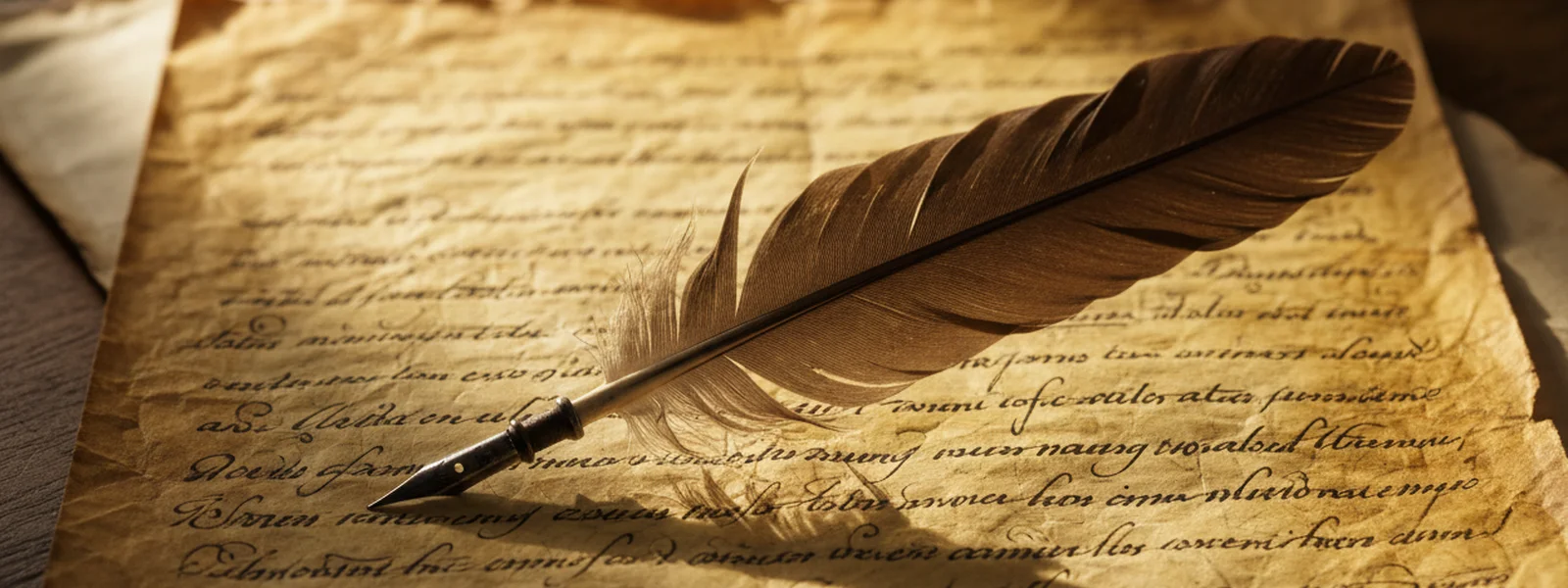
Uncorking the Past: 8 Things You Didn't Know About the Declaration of Independence
Alright, gather 'round the grill, folks! Before we fire up the burgers and sparklers for the big day, let's talk about the reason for the season: the Declaration of Independence. You probably know the basics, but trust us, there are some truly wild and wonderful declaration of independence facts that will make you appreciate that backyard BBQ even more. We started Fourth of July Tees because we were tired of showing up to the cookout in the same boring Target tee as everyone else. We wanted shirts that actually make people laugh, spark conversations around the grill, and become the one you reach for every time a patriotic holiday rolls around. Learning about these incredible historical tidbits just makes us want to celebrate even louder!
So, grab a cold one, kick back, and let's dive into some lesser-known stories behind America's birth certificate. You might just find yourself wanting to grab a
our All American Boy Patriotic Aviator Design T-Shirt
USA Pride collection
1. Not Everyone Signed on July 4th
Despite what the date on the document implies, July 4, 1776, wasn't when everyone gathered to sign. The Continental Congress actually voted to declare independence on July 2nd. John Adams famously believed July 2nd would be celebrated as "the most memorable Epocha, in the History of America." The Declaration was formally adopted on July 4th, but most of the 56 delegates didn't sign it until August 2, 1776. Talk about a delayed delivery!
Even then, signatures trickled in over weeks and months. One signer, Matthew Thornton of New Hampshire, didn't add his name until November 1776. It just goes to show that even monumental decisions take time, and sometimes, you're just late to the party.
2. The Declaration Was a Breakup Letter
Think of the Declaration of Independence as the ultimate "it's not me, it's you" letter to King George III. The bulk of the document isn't flowery philosophy; it's a long list of grievances. The colonists laid out 27 specific complaints against the British Crown, from imposing taxes without consent to quartering troops and denying trial by jury. It was a clear, concise, and rather sassy explanation of why they were done.
This list of complaints made it clear that the colonists weren't just whining; they had legitimate, long-standing issues that pushed them to seek freedom. It’s the kind of detailed breakdown you'd expect from someone who's really thought through why they're leaving a bad relationship.
3. It Was a Secret for a Bit
After being adopted on July 4th, the Declaration wasn't immediately broadcast to the world. It was first printed as a broadside (a large sheet of paper printed on one side) by John Dunlap, the official printer for the Continental Congress. These "Dunlap Broadsides" were then sent to assemblies, conventions, and military commanders. George Washington had it read to his troops in New York on July 9th.
For a few days, it was a bit of an exclusive release before becoming public knowledge. Imagine trying to keep that kind of news under wraps today with social media! The first public reading of the Declaration was on July 8th in Philadelphia's Independence Square, to a cheering crowd. This event is a great reminder of why we still love celebrating with fireworks and big gatherings, much like those you'll see in our
July 4th Ready collection
4. John Hancock's Signature Isn't Just Big, It's Legendary
Everyone knows John Hancock's signature is huge, but why? The popular legend is that he made it so large "so that King George III could read it without his spectacles." While a fun story, it's more likely that as the president of the Continental Congress, he signed first and prominently to leave ample room for the other delegates below. It was a bold statement of leadership, not just defiance.
Regardless of the exact reason, Hancock's bold signature has become synonymous with signing your name, especially when doing so with gusto. It’s the kind of unapologetic patriotism we love to see, and it’s the spirit behind designs like our
All American Girl Patriotic Heart Stars T-Shirt
5. The Original Copy Has Vanished
The engrossed (official handwritten copy) Declaration of Independence that was signed by the delegates is housed in the National Archives. But what about the original rough draft? Thomas Jefferson wrote it, and it went through several revisions by the Committee of Five (Jefferson, John Adams, Benjamin Franklin, Roger Sherman, and Robert Livingston) and then the full Congress.
Unfortunately, the very first, original draft that Jefferson penned has been lost to history. Only fragments and revised copies remain. It's a bit like losing the first sketch of a masterpiece, but the final version certainly stands the test of time. This absence makes the surviving drafts, with their cross-outs and edits, even more fascinating.
6. It Was Edited to Remove a Slavery Condemnation
One of the most significant changes made to Jefferson's original draft was the removal of a powerful passage condemning slavery. Jefferson had included a scathing indictment of King George III for perpetuating the slave trade and violating "the most sacred rights of life and liberty" of Africans. This passage was struck out by Congress, primarily due to objections from South Carolina and Georgia, and some northern states that profited from the slave trade.
This deletion highlights the complex and often contradictory nature of the founding of the nation, where the ideals of liberty clashed with the economic realities of the time. It's a crucial, if uncomfortable, fact about the Declaration that reminds us of the long road to true equality.
7. There Are Multiple "Original" Copies
While the signed engrossed copy is the official one, the Dunlap Broadsides mentioned earlier are also considered "original" printings. About 200 were printed on July 4th, and only 26 are known to survive today. These broadsides were the first way the American people saw the Declaration.
Beyond those, in 1823, printer William J. Stone created 200 parchment copies using a wet transfer process directly from the original. These "Stone Engravings" are incredibly accurate facsimiles and many are still around today, making them valuable historical artifacts. It's cool to think that even in the early 1800s, people wanted a souvenir of this momentous document, much like folks today grab a
to celebrate.8. The Signers Pledged Their Lives, Fortunes, and Sacred Honor
Signing the Declaration of Independence was an act of treason against the British Crown, punishable by death. The signers weren't just putting their names on a document; they were literally signing their lives away. They understood the immense personal risk involved, yet they bravely moved forward.
Their final pledge — "we mutually pledge to each other our Lives, our Fortunes, and our sacred Honor" — wasn't just rhetoric. Many signers suffered greatly for their commitment. Some had their homes destroyed, others lost family members, and many faced financial ruin. It’s a powerful testament to their belief in the cause of liberty.
Celebrating These Declaration of Independence Facts
Learning these declaration of independence facts adds a whole new layer to your Fourth of July celebrations, doesn't it? It makes you appreciate the humor, the struggle, and the sheer audacity of those who dared to dream of a new nation. Whether you're hosting the ultimate backyard BBQ or just enjoying the fireworks with your crew, remembering these stories makes the red, white, and blue feel even more special.
We believe in celebrating loud and proud, and that means wearing shirts that spark conversation and laughter. From
our Feral Mama Bold Script Lettering T-Shirt
Patriotic Classics collection
So, this Summer 2026, as we approach America's 250th Birthday, raise a glass to these brave individuals and the incredible document they created. Get ready for the party, and Shop Now for your perfect patriotic tee!
Ready to Shop?
Browse our collection — Bold, fun, unapologetically patriotic apparel for every celebration.
Shop All Shirts
Published by Fourth of July Tees
Bold, fun, unapologetically patriotic apparel for every celebration
Frequently Asked Questions
When was the Declaration of Independence actually signed by most delegates?
While the Declaration was adopted on July 4, 1776, most of the 56 delegates did not sign the engrossed copy until August 2, 1776. Signatures continued to be added over several months, with some signers not affixing their names until as late as November 1776.
What was the primary purpose of the Declaration of Independence?
Beyond proclaiming independence, the Declaration served as a powerful breakup letter to King George III. It meticulously listed 27 specific grievances and abuses committed by the British Crown, providing a detailed justification for the colonies' decision to separate and form their own nation.
Was the Declaration of Independence publicly announced immediately after adoption?
No, the Declaration was not immediately broadcast. After its adoption on July 4th, it was first printed as broadsides and distributed to colonial assemblies, conventions, and military commanders. The first public reading to a cheering crowd took place in Philadelphia's Independence Square on July 8th.
Why is John Hancock's signature so large on the Declaration?
The popular story is that John Hancock made his signature large so King George III could read it without his spectacles. However, it's more historically likely that as the president of the Continental Congress, he signed first and prominently to indicate his leadership role and to leave ample space for the other delegates to sign below his name.
Did the original draft of the Declaration of Independence mention slavery?
Yes, Thomas Jefferson's original draft included a strong condemnation of slavery and the slave trade, blaming King George III for its perpetuation. This passage was ultimately removed by Congress due to objections from southern states, and some northern states, that benefited economically from the institution of slavery.
How many 'original' copies of the Declaration of Independence exist?
There is one signed, engrossed (official handwritten) copy in the National Archives. Additionally, there are approximately 26 surviving 'Dunlap Broadsides,' which were the first printed copies distributed in July 1776. Later, in 1823, 200 highly accurate 'Stone Engravings' were made, many of which also survive today.
What risks did the signers of the Declaration of Independence face?
Signing the Declaration was an act of treason against the British Crown, punishable by death. The signers pledged their lives, fortunes, and sacred honor, fully aware of the immense personal risks. Many suffered severe consequences, including the destruction of their homes, loss of family members, and financial ruin.
First Access to New Patriotic Drops
Get new design alerts, family matching ideas, and 4th of July prep tips before anyone else — straight to your inbox.